
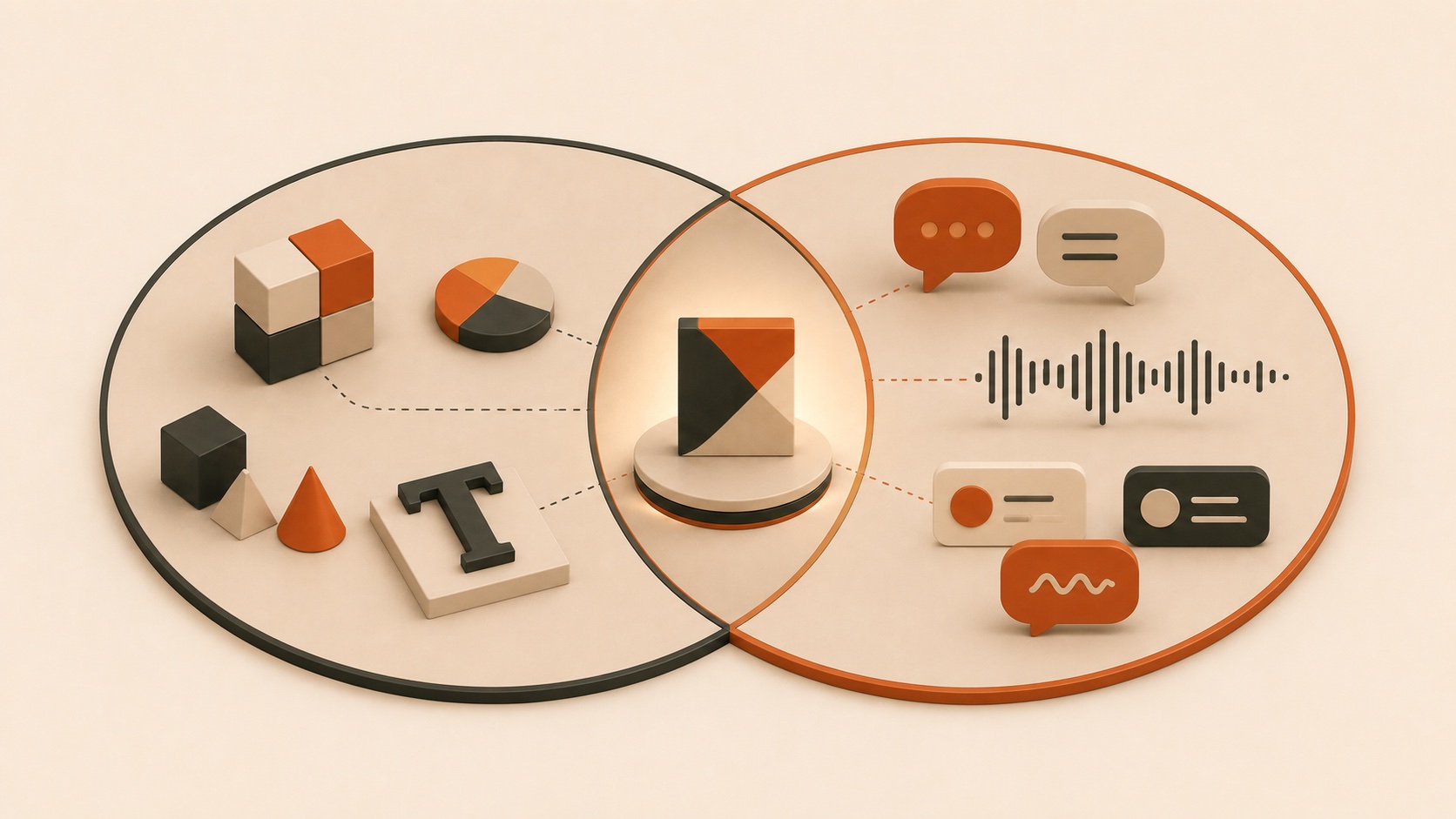
Most businesses confuse brand language with brand identity. They use the terms interchangeably. This creates messy, inconsistent communication that confuses customers and weakens your brand.
Understanding the brand language definition — and how it differs from brand identity — transforms how your team communicates. It creates consistency across every touchpoint. Your customers get a unified experience that builds trust and recognition.
What is brand language? A clear definition
Brand language is how your brand communicates. It’s the words you choose, the tone you use, and the personality that comes through in every message.
Think of it as your brand’s voice and vocabulary. It includes:
- Tone of voice guidelines
- Writing style preferences
- Key messaging themes
- Words you always use
- Words you never use
- How you address customers
Brand language makes Nike sound like Nike, not Rolex. It makes Apple feel innovative and simple, not corporate and complex. It’s the consistent thread that runs through every email, social post, and customer interaction.
What is brand identity?
Brand identity is how your brand looks. It’s the visual elements that make your brand recognizable at a glance.
Brand identity includes:
- Logo design and variations
- Color palette
- Typography choices
- Photography style
- Graphic elements
- Layout principles
Your brand identity creates instant recognition. Think of Coca-Cola’s red and white script, or McDonald’s golden arches. These visual elements work without words.
The key differences explained
Brand language and brand identity serve different purposes. They work together but focus on distinct aspects of your brand experience.
Communication vs appearance
Brand language governs what you say and how you say it. Brand identity controls what customers see.
A tech startup might use casual, friendly language (“Hey there!”) while maintaining a sleek, minimal visual identity. A law firm might use professional, authoritative language while choosing warm, approachable colors.
Words vs visuals
Brand language lives in text. Every email subject line, product description, and social media caption. Brand identity exists in images, layouts, and design choices.
Both influence customer perception. But they do it through different channels.
Consistency across touchpoints
Brand language ensures your customer service team sounds like your marketing team. Brand identity ensures your website looks cohesive with your business cards.
Without clear guidelines for both, different team members create different experiences. Customers notice these inconsistencies. They erode trust and professional credibility.
Why both matter for your business
Strong brands need both elements working together. Visual appeal draws attention. Consistent communication builds relationships.
Consider how premium brands operate. They combine sophisticated visual design with carefully crafted language. Every touchpoint reinforces their positioning.
Budget brands do this too. They use bright, accessible visuals alongside conversational, straightforward language. Everything aligns with their value proposition.
Customer recognition and trust
Customers learn to recognize brands through repeated exposure to consistent language and visuals. This recognition breeds familiarity. Familiarity builds trust.
When your brand language matches your brand identity, you create a cohesive experience. Customers know what to expect. They feel more confident choosing your products or services.
Team alignment and efficiency
Clear brand language and identity guidelines help teams work faster. Writers know how to craft messages. Designers understand visual expectations.
This reduces revision cycles and decision paralysis. Team members make consistent choices because they understand the framework.
Creating your complete brand language
Effective brand language goes beyond tone of voice. It includes your complete communication framework.
Start with your brand personality. Are you friendly or formal? Playful or serious? Innovative or traditional? This personality should influence both your language choices and visual design.
Define your customer personas. How do they speak? What resonates with them? Your brand language should feel natural to your target audience while staying true to your brand personality.
Document specific guidelines. Include example phrases, preferred terminology, and communication principles. Make it easy for team members to apply consistently.
Many businesses struggle with brand guidelines that cover both language and identity comprehensively. The process feels overwhelming. Tools like thebrandlanguage can help generate complete brand language documentation quickly and systematically.
Moving forward with clarity
Understanding the brand language definition — and its relationship to brand identity — gives you a competitive advantage. Most businesses wing it. They create inconsistent experiences that confuse customers.
You can do better. Invest time in defining both your brand language and brand identity. Create clear guidelines. Train your team to use them consistently.
Your customers will notice the difference. They’ll experience a brand that feels professional, intentional, and trustworthy. That’s how consistent communication and visual design work together to build strong brands.
Ready to create your brand language? Create yours free → Four minutes. One link. Everyone on the same page.
Leave a Reply